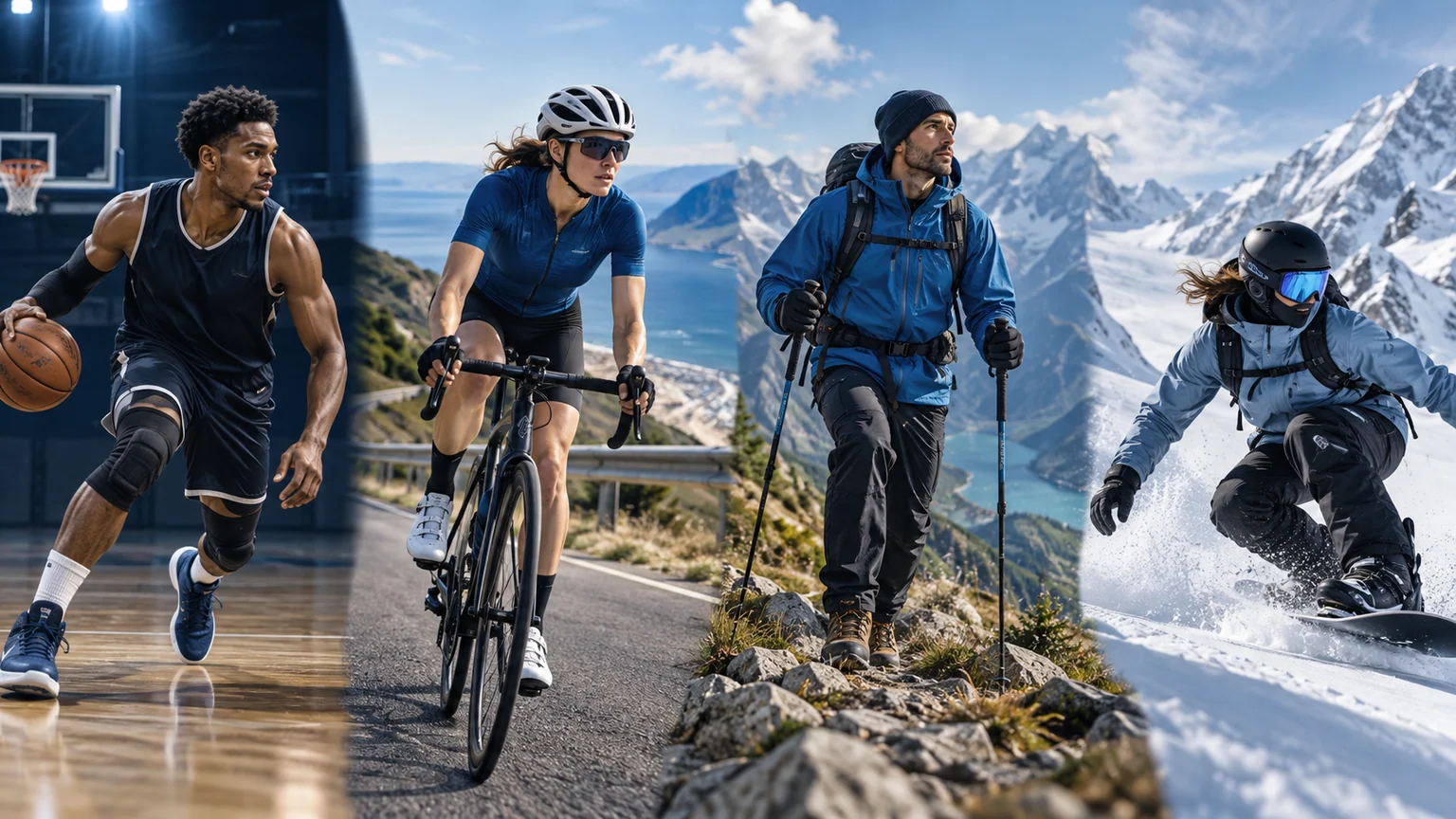
A multi-category sports and outdoor range should do more than place unrelated items beside one another. The most useful OEM or ODM collection gives a buyer a logical path from activity, to conditions, to product function, to the individual specification. That structure makes a line easier to merchandise, sample, present to customers and extend over time.
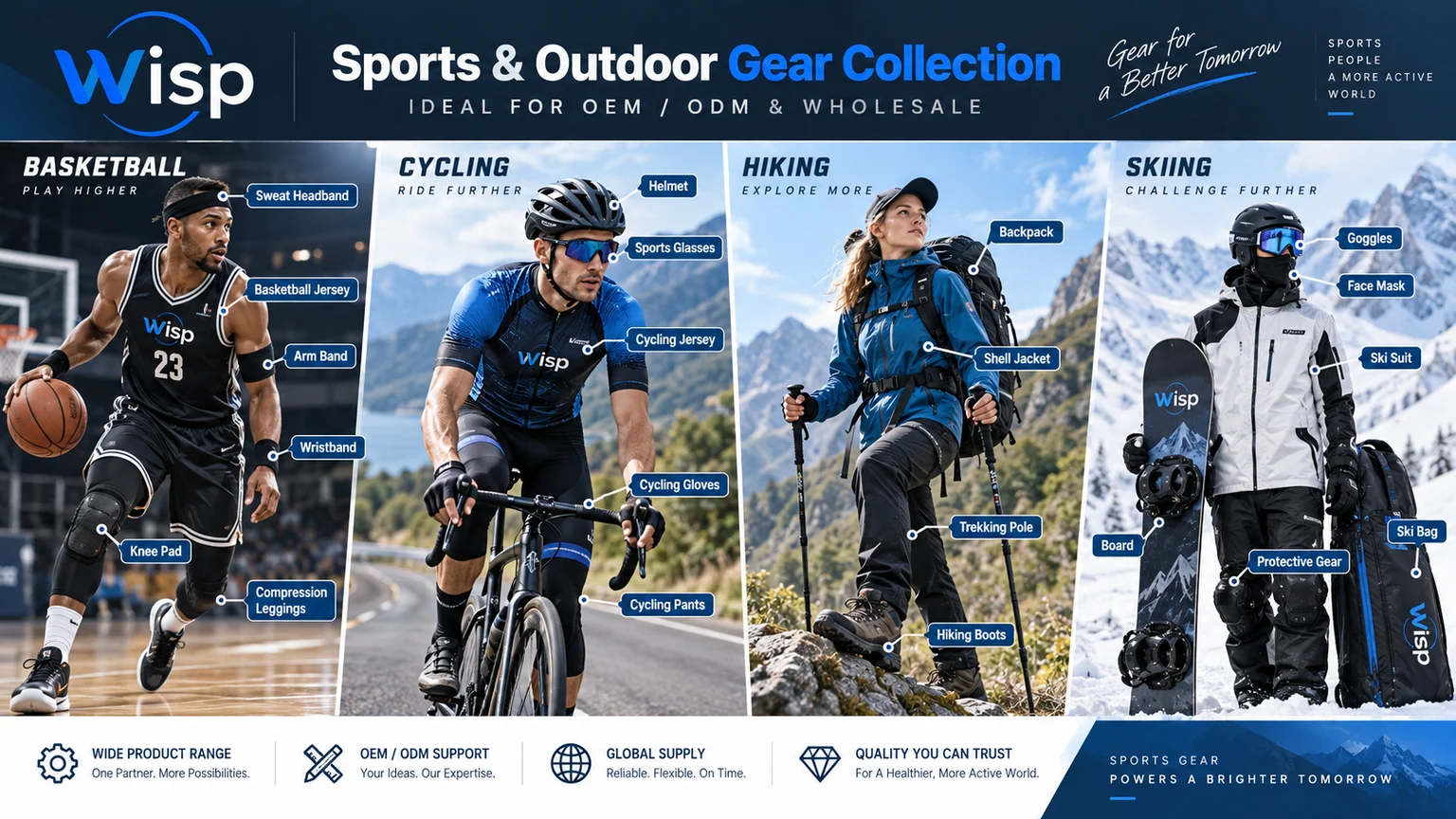
The supplied collection visual brings together basketball, cycling, hiking and skiing. It is a helpful starting point because it shows both shared needs—movement, protection, weather readiness and carry—and the discipline-specific details that must be resolved in a real product brief.
1. Start with the activities, not a list of SKUs
Begin by defining who the range is for and where it will be used. The four activities in the visual each create a different product logic:
- Basketball prioritises freedom of movement, team presentation, durable apparel and optional impact protection.
- Cycling combines fit, body-position ergonomics, visibility, weather exposure and accessory compatibility.
- Hiking requires layering, pack interaction, weather management and hard-wearing contact areas.
- Snow sports need insulation or layered shell systems, protection, goggles and accessories that work in cold, wet conditions.
This activity-first approach prevents a range from becoming a set of generic garments. It also gives the development team a practical test for every proposed style: what problem does it solve in the chosen activity, and how does it connect to the rest of the range?
2. Build the collection in functional layers
A useful range is usually organised around function rather than only garment type. A buyer can then select a core platform and add the components that fit the channel, price point and climate.
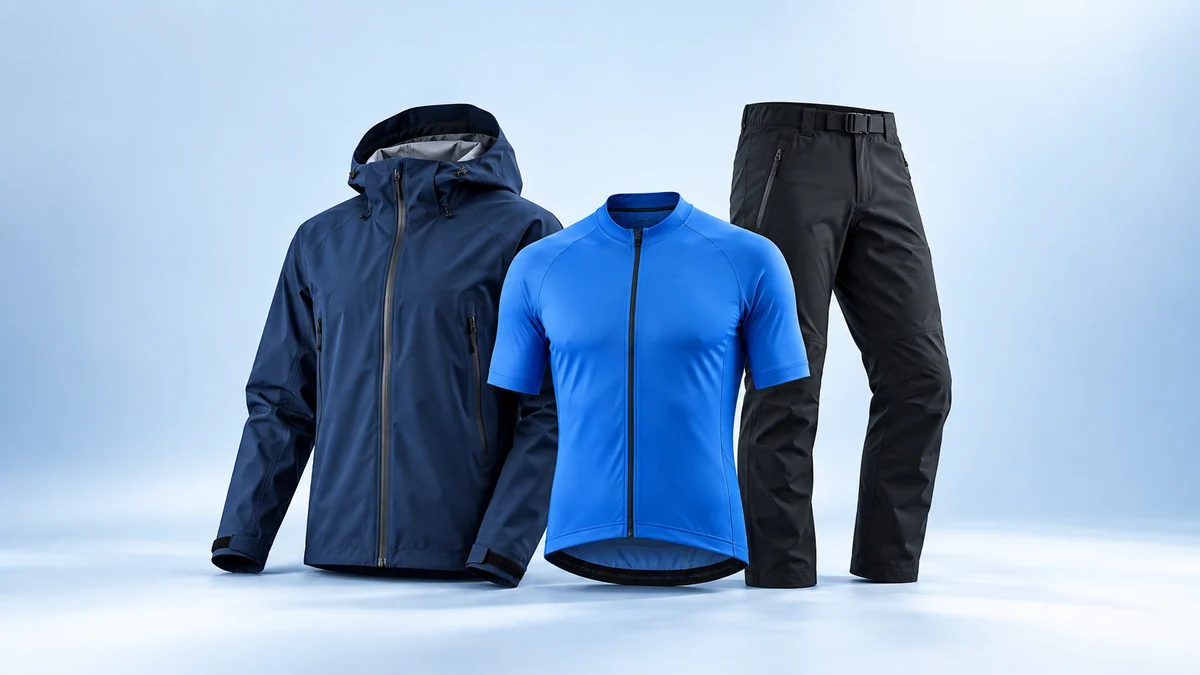
Wear
Core apparel and outer layers: shell jackets, performance jerseys, technical pants and coordinated uniforms.
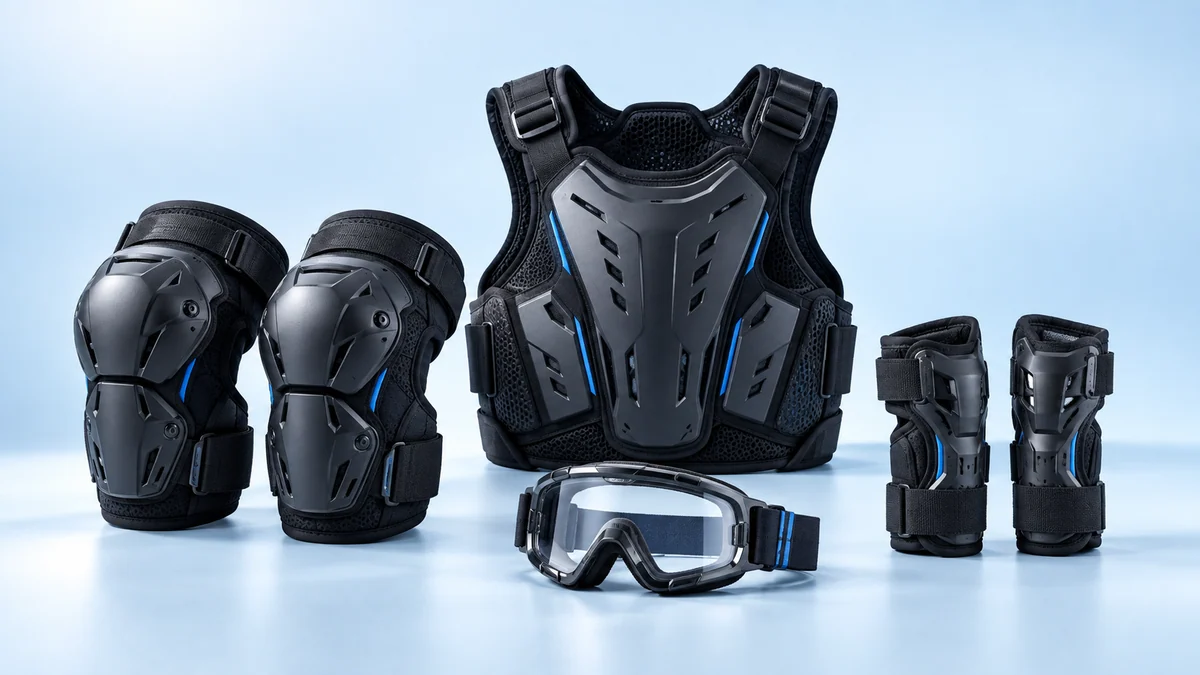
Protect
Activity-specific knee pads, wrist guards, body armor and layered weather protection.
Carry & equip
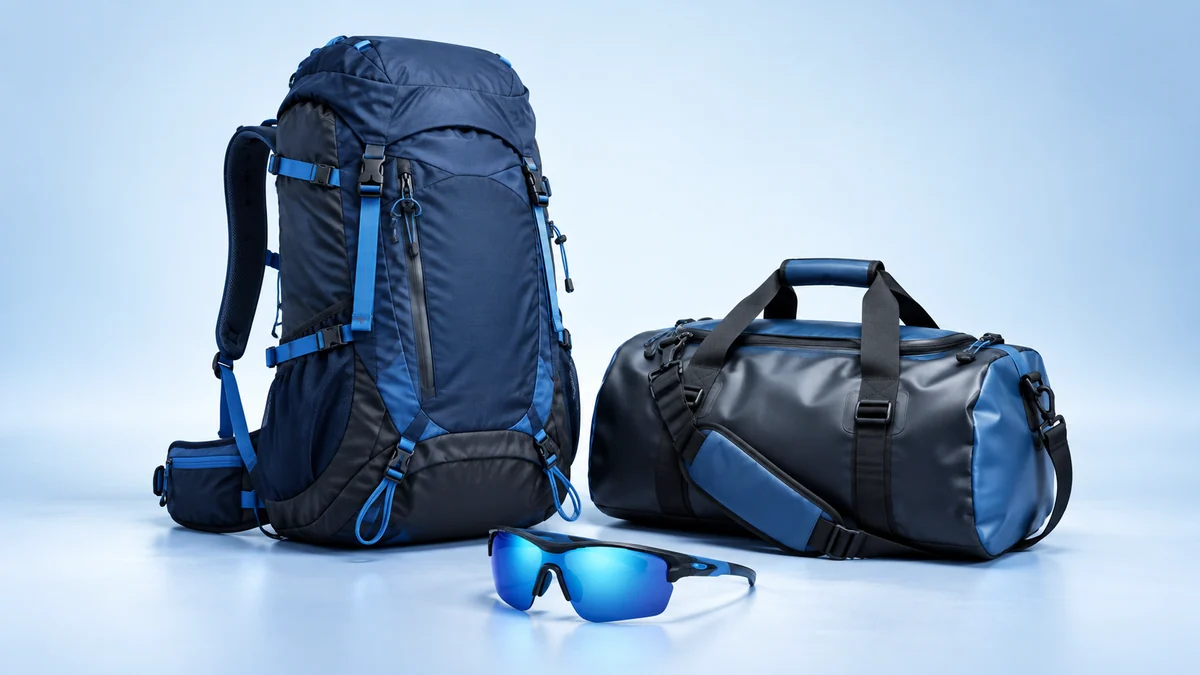
Backpacks, technical carry bags, sports eyewear and other components that complete an activity system.
For example, a snow-sports buyer may begin with a shell and pant direction, then add Ski & Snowboard Protection products and bags. A hiking program may pair weather-ready outerwear with a backpack and trekking-pole-ready product story. The aim is not to force every item into one order; it is to make the cross-sell logic visible.
3. Create a shared design language without making every category identical
Coherence comes from a controlled set of repeatable decisions: colour families, contrast placement, trim finishes, logo zones, packaging logic and photography direction. Function still has to lead. Cycling pieces need a different fit and panel map from hiking shells; protective pads have different material and testing questions from a backpack.
In the first briefing round, document which elements should be shared across the range and which must remain category-specific. This keeps the line recognisable while allowing every product to do its job.
4. Turn the concept into sample-ready briefs
Each item needs its own approved specification rather than relying on a collection mood board. A practical brief should record the intended activity, target user, size range, material direction, colour references, construction details, artwork placement, packaging and acceptance criteria. Where performance is important, state the required test method or target rather than using loose claims such as “waterproof” or “high protection.”
For coordinated programs, build a simple matrix that identifies which fabrics, hardware, colours and labels can be shared. This helps buyers see the real development choices: where common components improve consistency and where a specialised material is necessary.
5. Plan sampling as a collection, then approve style by style
Sampling should confirm both the individual product and the way the range works together. Review fit and construction on each style, then look at the colour balance, branding placement and functional coverage across the complete set. Photograph approved samples consistently so sales teams can explain the range without overpromising material or performance details that have not yet been signed off.
Before bulk production, lock the specification revision, graded measurements, approved materials, trims, artwork, packaging and inspection requirements for every style. A collection is only as dependable as its individual approvals.
6. Make the range easy for buyers to navigate
Online, the collection should lead visitors from an overview into a product family, then a specific platform and finally an RFQ. On Wisp Outdoor, buyers can begin from Products and move to focused collections such as Basketball Wear, Mountain Bike Wear and Ski & Snowboard Protection. This hierarchy keeps the first conversation broad enough for range planning and detailed enough for a useful quotation request.
Turn a collection direction into an approved product brief.
Share the activities, product functions and target market you are planning. We can discuss suitable platforms, sampling priorities and specification requirements.